Discover Thousands of Animals from A to Z
Browse animals alphabetically, explore fascinating facts, compare species, and discover wildlife from around the world.
Browse by Letter
Every letter of the alphabet has its own dedicated page of species.
Popular Animals
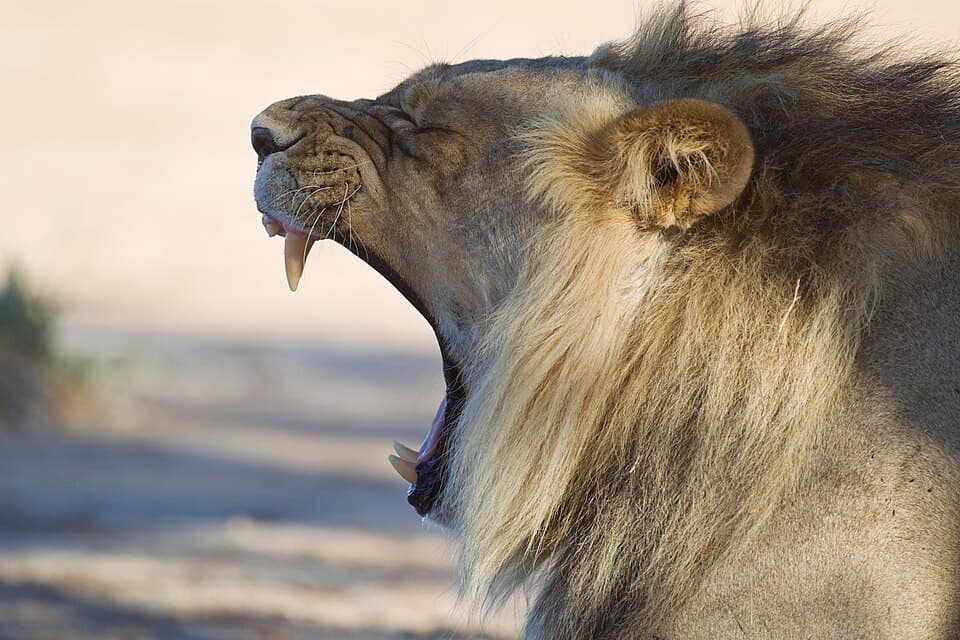
Lion
Panthera leo
MammalThe lion is one of the world's most recognizable big cats, known as the 'king of the jungle' despite living mainly on open savanna, and is the only cat species that lives in large social groups called prides.
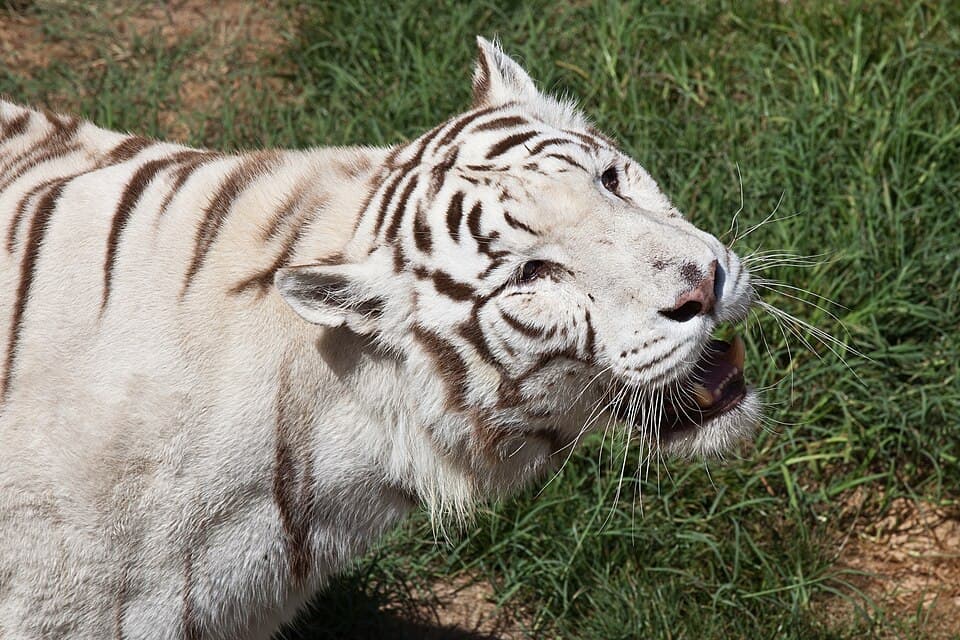
Bengal Tiger
Panthera tigris tigris
MammalThe Bengal tiger is the most numerous tiger subspecies, with India alone holding the large majority of the world's wild tiger population, and it is the largest wild cat native to Asia's forests, mangroves, and grasslands. Smaller populations also survive in Bangladesh, Nepal, and Bhutan, including in the Sundarbans, a vast mangrove delta shared by India and Bangladesh where tigers are unusually strong swimmers and sometimes hunt aquatic prey. India launched Project Tiger in 1973 to protect the subspecies through a network of dedicated reserves, and the country's wild tiger population has grown substantially since, even as poaching for the illegal wildlife trade and habitat fragmentation remain serious ongoing threats.
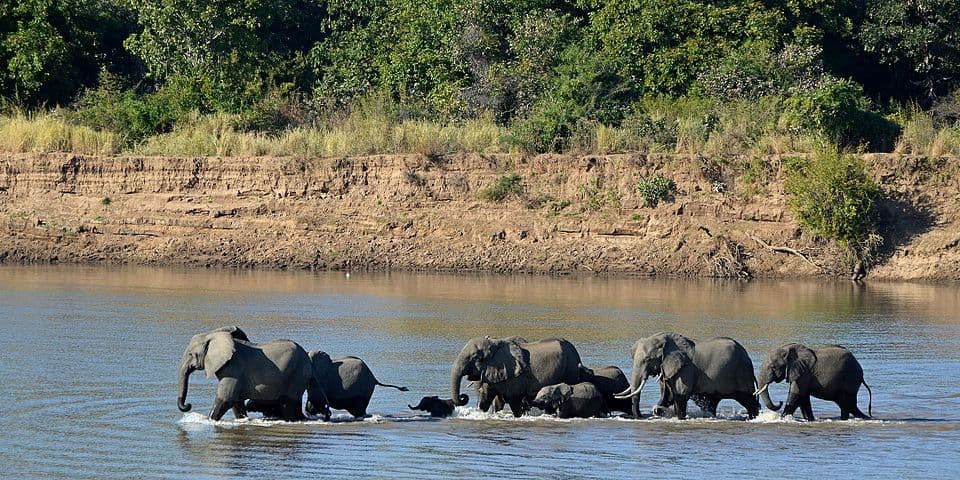
African Elephant
Loxodonta africana
MammalThe African elephant is the largest living land animal, roaming savannas, forests, and semi-arid regions across sub-Saharan Africa in tightly-bonded matriarchal herds. This entry refers specifically to the African bush elephant, the larger of two African species recognized by the IUCN since 2021 — the other, the African forest elephant, is smaller, has straighter tusks, and lives in the dense rainforests of Central and West Africa. Elephant populations were decimated by ivory poaching through the 20th century, and though international trade bans and anti-poaching efforts have slowed the decline in many regions, habitat loss and human-wildlife conflict continue to threaten the species today.
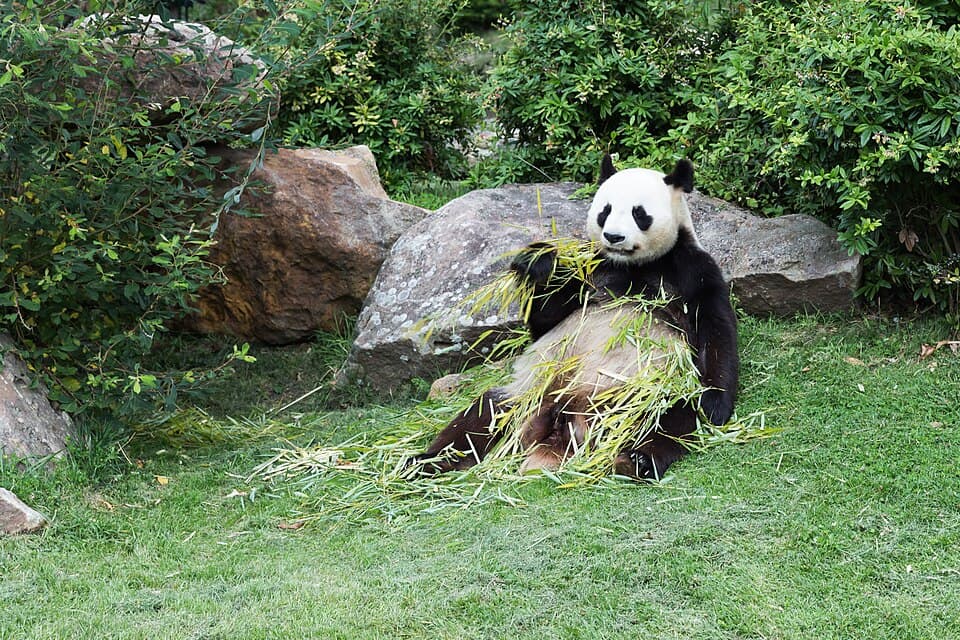
Giant Panda
Ailuropoda melanoleuca
MammalThe giant panda is a bear native to a handful of mountain forest ranges in central China, primarily in Sichuan province, famous worldwide for a diet made up almost entirely of bamboo despite retaining the short digestive tract of a carnivore. Because that digestive system extracts relatively little energy from tough, fibrous bamboo, pandas must eat enormous quantities to survive, spending up to 12 hours a day feeding and consuming as much as 38kg of bamboo in a single day. Long a symbol of Chinese culture and a fixture of international 'panda diplomacy,' the species was reclassified from Endangered to Vulnerable by the IUCN in 2016 after decades of habitat protection and captive-breeding programs helped stabilize its wild population — one of conservation's clearer recent success stories, even as bamboo forest fragmentation remains an ongoing threat.
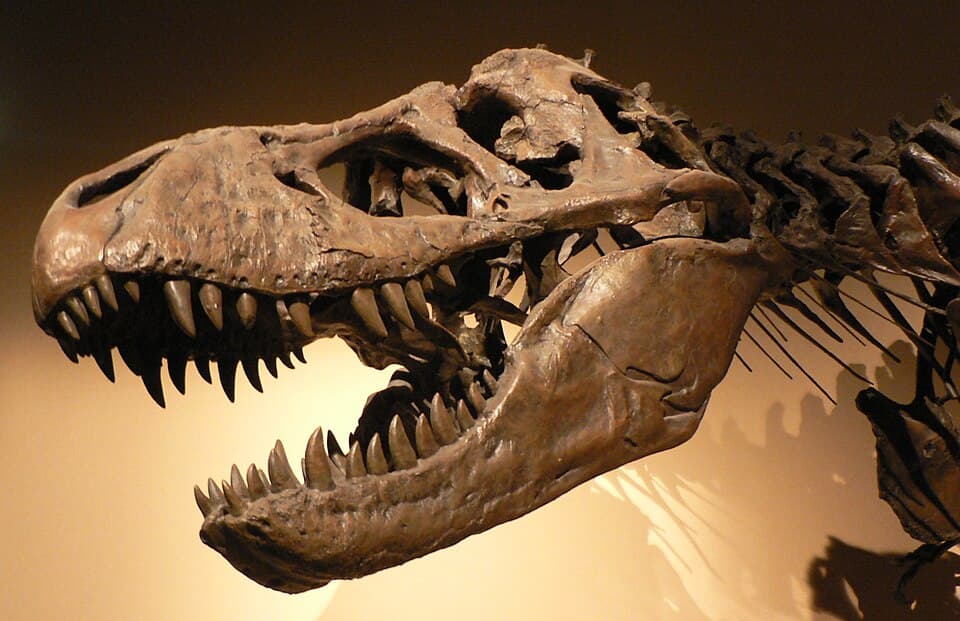
Tyrannosaurus Rex
Tyrannosaurus rex
DinosaurTyrannosaurus rex was one of the largest land predators to ever exist, dominating the ecosystems of western North America at the very end of the Cretaceous period roughly 66-68 million years ago.
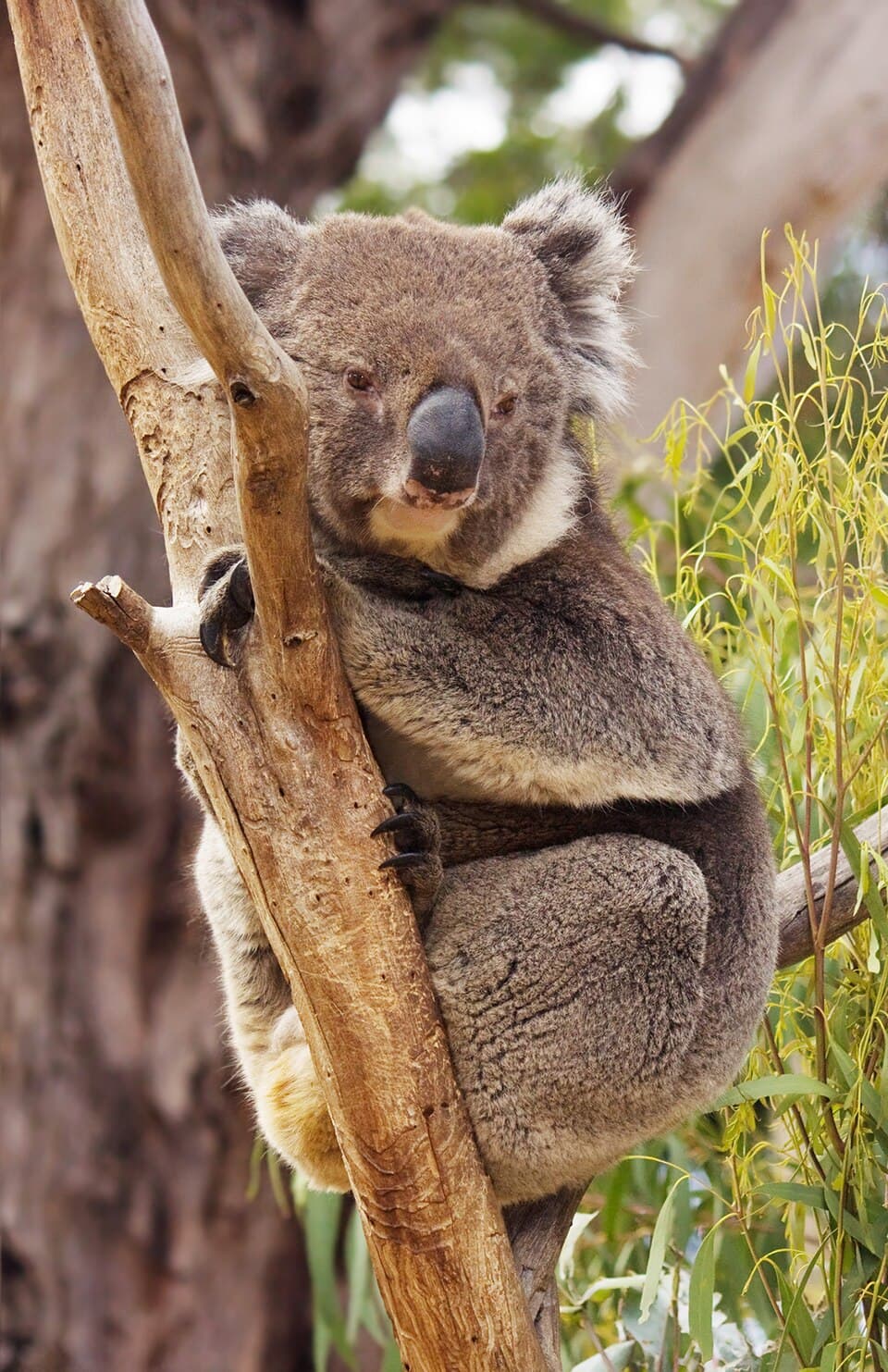
Koala
Phascolarctos cinereus
MammalThe koala is a tree-dwelling marsupial native to Australia, spending nearly its entire life in eucalyptus trees on a diet that would be toxic to most other mammals.
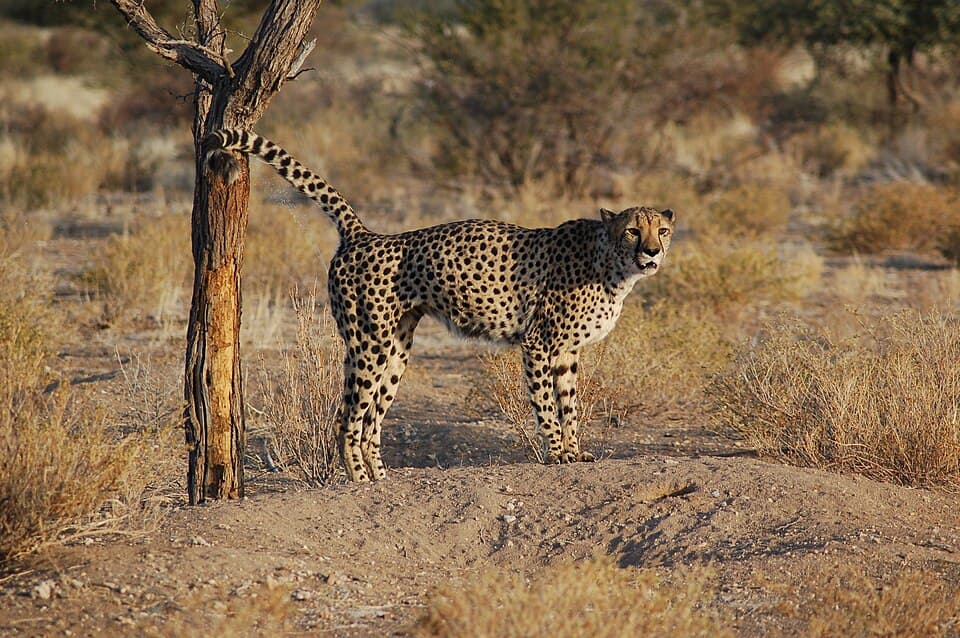
Cheetah
Acinonyx jubatus
MammalThe cheetah is the fastest land animal on Earth, built for explosive short sprints across the open grasslands and semi-desert of Africa, with a small, remnant population also surviving in Iran. Its speed comes at a genetic cost: cheetahs went through a severe population bottleneck thousands of years ago, leaving today's cheetahs with unusually low genetic diversity, which makes the species more vulnerable to disease on top of the threats it already faces from habitat loss and human-wildlife conflict.
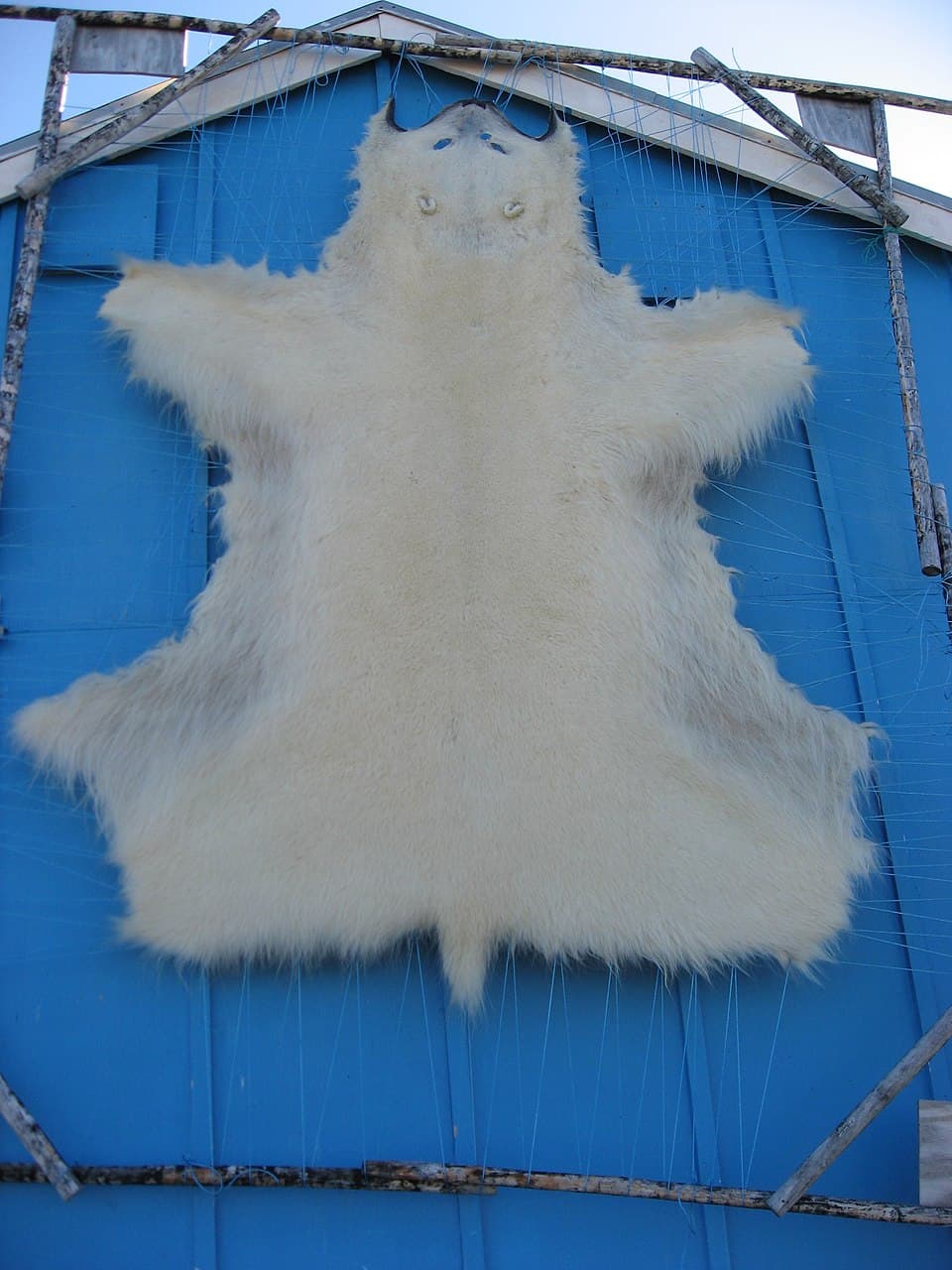
Polar Bear
Ursus maritimus
MammalThe polar bear is the largest land carnivore on Earth, superbly adapted to hunting seals across the sea ice of the Arctic Circle.
Browse by Category
Mammals
Warm-blooded vertebrates with fur or hair that nurse their young with milk, ranging from tiny shrews to the blue whale.
Birds
Feathered, egg-laying vertebrates found on every continent, from flightless penguins to long-distance migratory raptors.
Fish
Gilled, water-dwelling vertebrates spanning freshwater rivers to the deep ocean, from tiny minnows to whale sharks.
Reptiles
Cold-blooded, scaled vertebrates including snakes, lizards, turtles, and crocodilians found on every continent but Antarctica.
Amphibians
Cold-blooded vertebrates that typically begin life in water and move to land, including frogs, toads, and salamanders.
Insects
The most diverse animal group on Earth, six-legged invertebrates found in nearly every habitat on the planet.
Marine Animals
Animals adapted to life in the ocean, spanning mammals, fish, and invertebrates that call the sea home.
Dinosaurs
Prehistoric reptiles that dominated life on land for over 160 million years before going extinct roughly 66 million years ago.
Browse by Habitat
Forest Animals
Dense tree cover provides food, shelter, and camouflage for a huge range of species, from insects to apex predators.
Ocean Animals
Covering over 70% of the planet, the ocean is home to everything from microscopic plankton to the largest animal ever known.
Desert Animals
Extreme heat, cold nights, and scarce water shape animals with remarkable adaptations for survival in arid landscapes.
Grassland Animals
Open plains and savannas support grazing herds and the predators that follow them across Africa, Asia, and the Americas.
Mountain Animals
Thin air, steep terrain, and cold temperatures favor sure-footed, well-insulated species adapted to high altitudes.
Arctic Animals
Some of the harshest conditions on Earth are home to thickly insulated animals built to survive months of polar cold.
Wetland Animals
Marshes, swamps, and floodplains support an especially rich mix of amphibians, reptiles, birds, and mammals.
Rainforest Animals
The most biodiverse ecosystem on the planet, home to a staggering density of species packed into a small footprint.
Browse by Diet
Carnivores
Meat-eating animals that hunt, scavenge, or fish for prey, ranging from big cats to snakes and birds of prey.
Herbivores
Plant-eating animals that graze or browse on grasses, leaves, and other vegetation, from tiny insects to giant elephants.
Omnivores
Animals with flexible diets that eat both plants and animals, adapting to whatever food is available in their environment.
Featured Collections
View all →Cute Animals
The most undeniably adorable animals in our catalog.
Fastest Animals
The top speed demons in our catalog, ranked by recorded top speed.
Largest Animals
The biggest animals in our catalog, ranked by maximum weight.
Smallest Animals
The smallest animals in our catalog, ranked by maximum weight.
Dangerous Animals
Animals capable of seriously harming other animals — or humans.
Flying Animals
Animals equipped with wings for powered flight.
Rare Animals
Animals that are uncommon to encounter, whether by nature or by threat status.
Night Animals
Nocturnal animals most active after dark.
Featured Comparison
View all →Octopus vs Jellyfish: Key Differences
Few animal comparisons highlight the diversity of ocean life better than the octopus and jellyfish — one is among the most intelligent invertebrates on Earth, the other has no brain at all.
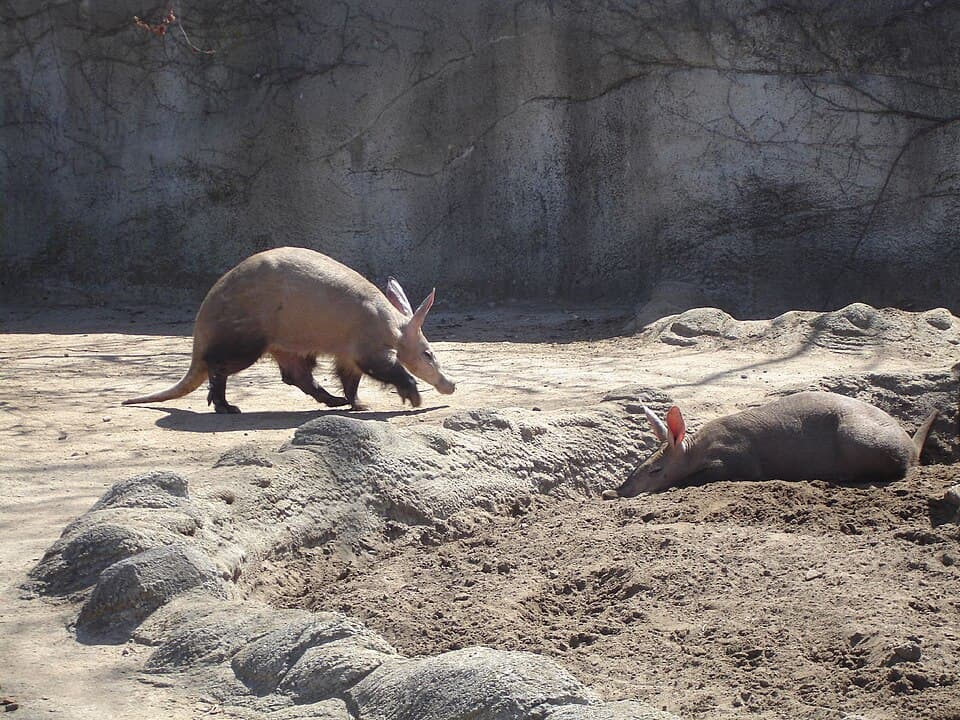
Aardvark
Orycteropus afer
The aardvark is a nocturnal, burrowing mammal found across sub-Saharan Africa, best known for its long snout and powerful digging claws used to raid termite mounds.
Meet the AardvarkLatest Animals
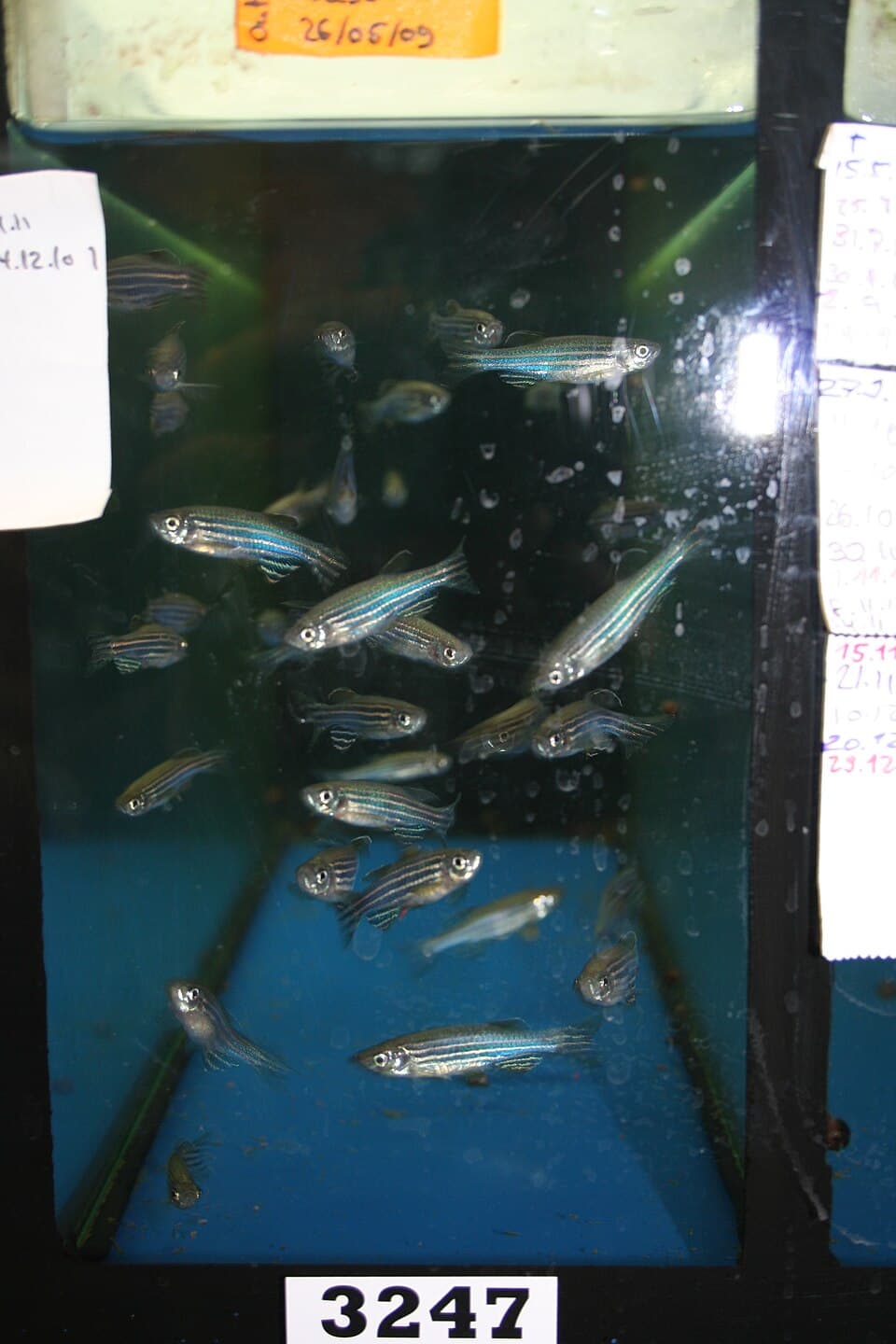
Zebra Danio
Danio rerio
FishThe zebra danio is a small freshwater fish native to streams and rice paddies across South Asia, named for the five uniform, horizontal blue stripes running along its silvery body. Beyond its popularity as an aquarium fish, it has become one of the most important model organisms in modern biological and medical research.
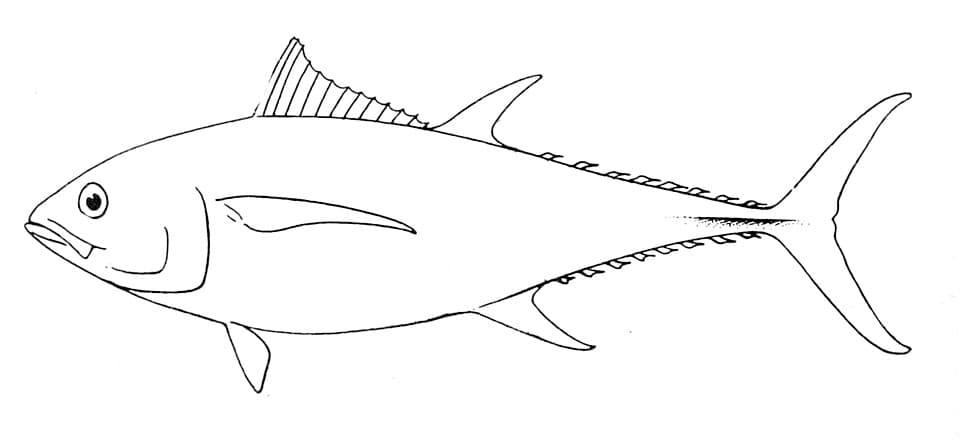
Yellowfin Tuna
Thunnus albacares
FishThe yellowfin tuna is a large, fast-swimming fish found in tropical and subtropical waters across the world's oceans, prized both as one of the ocean's most powerful predators and as one of the most commercially important fish species for human consumption. Its name comes from the bright yellow coloring of its dorsal and anal fins, which become especially long and dramatic in mature adults.
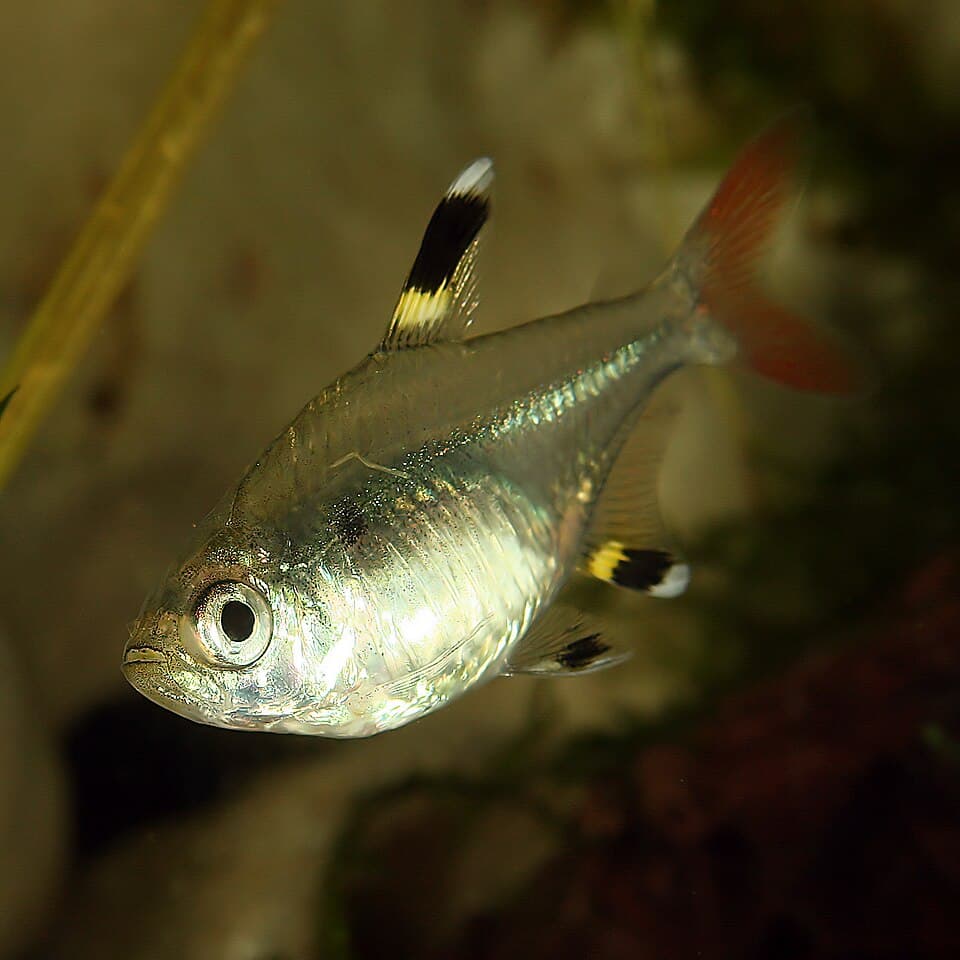
X-Ray Tetra
Pristella maxillaris
FishThe X-ray tetra is a small freshwater fish native to slow-moving rivers and streams in South America, named for its almost completely transparent body that reveals its skeleton and internal organs. Its see-through appearance has made it one of the most recognizable and popular small fish in the freshwater aquarium hobby worldwide.
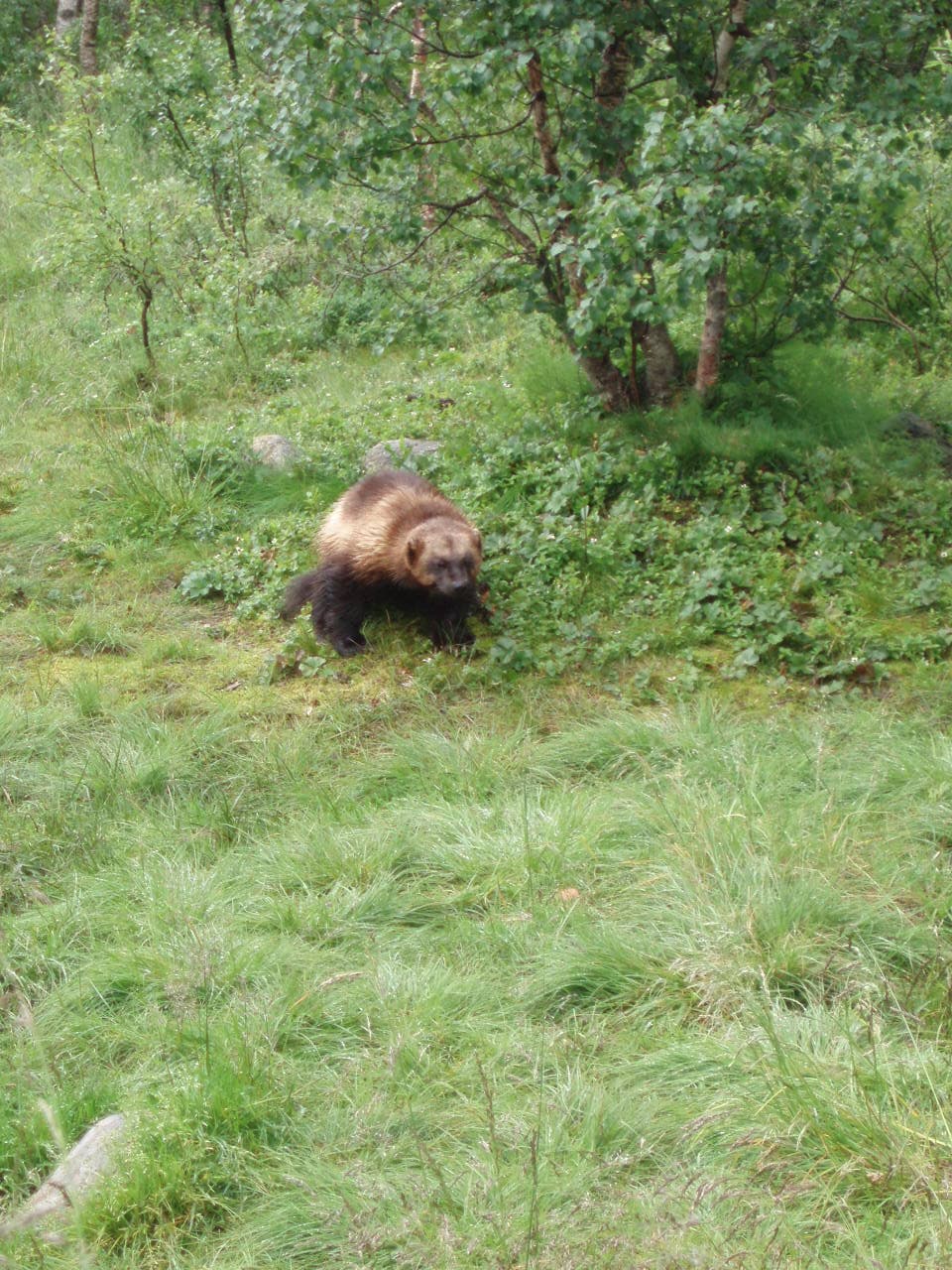
Wolverine
Gulo gulo
MammalThe wolverine is the largest land-dwelling member of the weasel family, a solitary and famously tenacious predator and scavenger of far northern forests and tundra. Despite its bear-like appearance, it is much smaller than its reputation suggests, roughly the size of a medium dog, but is capable of driving much larger animals like wolves away from a carcass.
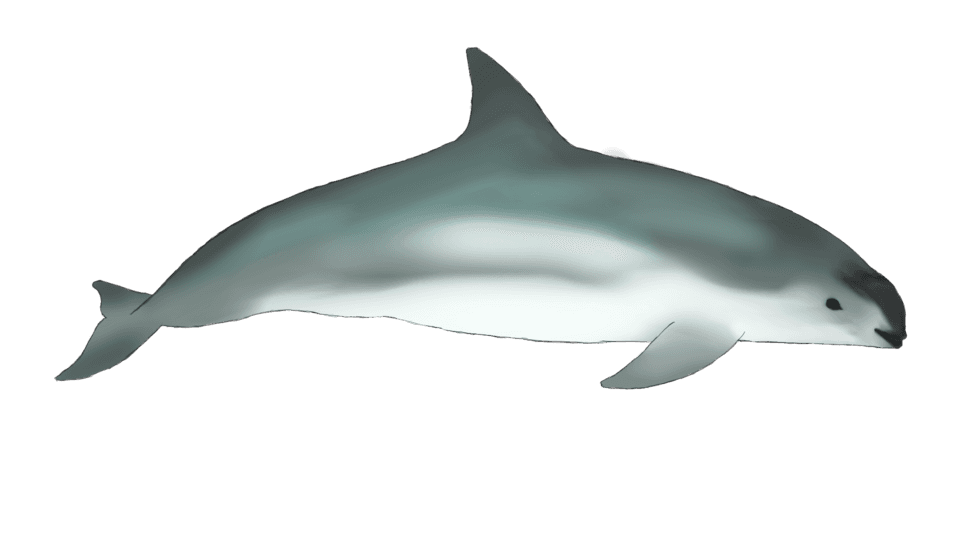
Vaquita
Phocoena sinus
MammalThe vaquita is the world's smallest and most endangered cetacean, found only in a small area of the northern Gulf of California in Mexico. Fewer than a handful of confirmed individuals are believed to remain in the wild, making it one of the most critically threatened marine mammals on Earth.
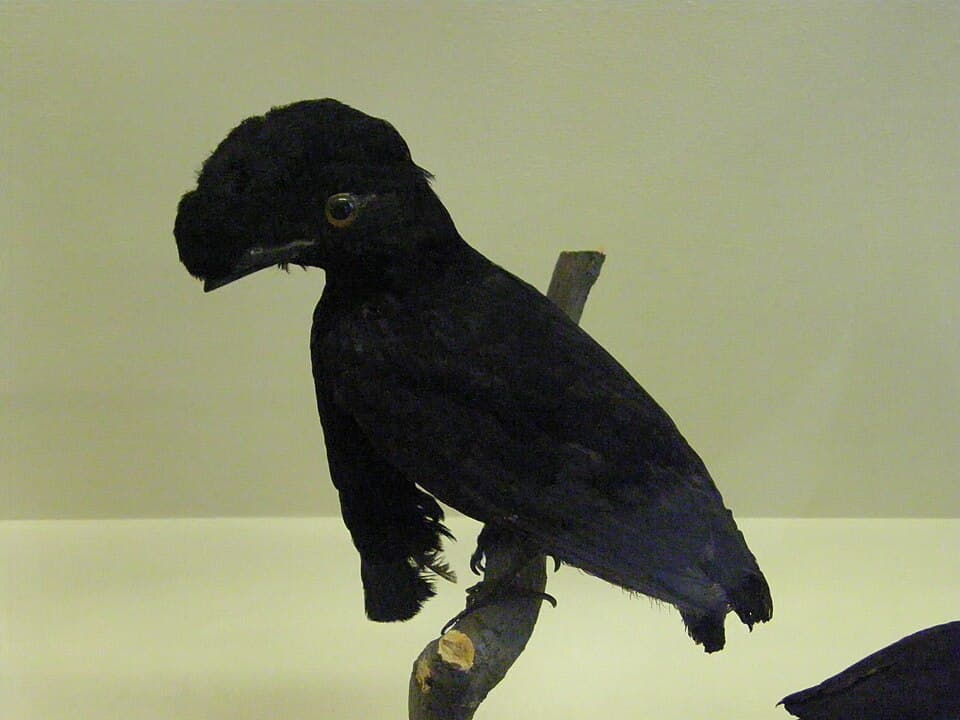
Umbrellabird
Cephalopterus penduliger
BirdThe umbrellabird is a striking rainforest bird named for the umbrella-like crest of feathers that arches forward over its head, along with a long, inflatable wattle of feathered skin hanging from its throat. Males use both features in elaborate courtship displays, along with deep, booming calls that can carry through dense forest.
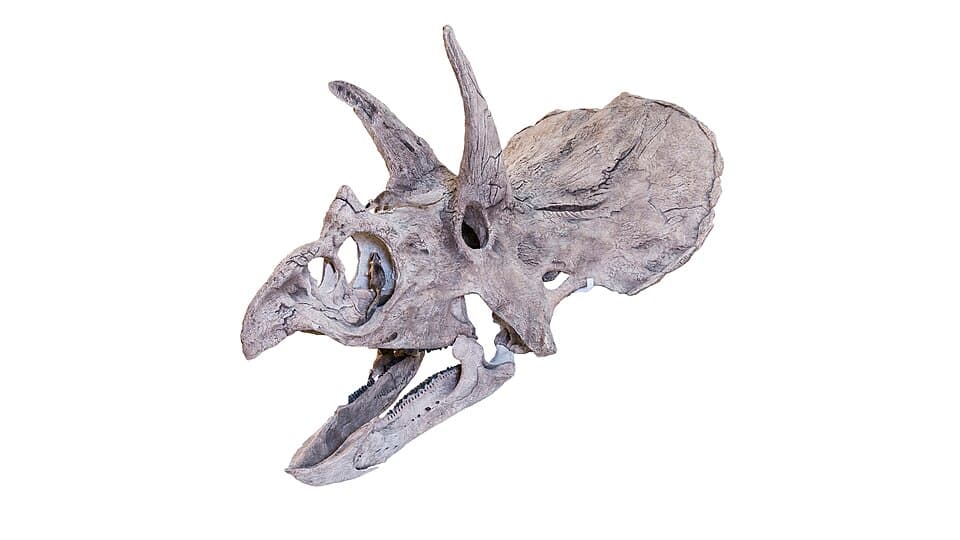
Triceratops
Triceratops horridus
DinosaurTriceratops was one of the last non-avian dinosaurs to exist before the mass extinction event 66 million years ago, instantly recognizable by the massive bony frill extending from the back of its skull and the three prominent horns on its face. It lived across what is now western North America, sharing its environment with predators like Tyrannosaurus rex.
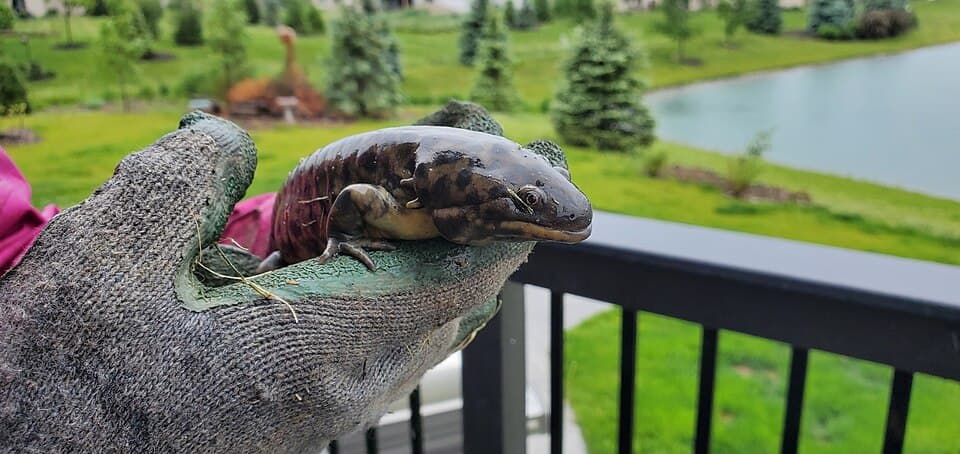
Tiger Salamander
Ambystoma tigrinum
AmphibianThe tiger salamander is one of the largest land-dwelling salamanders in North America, named for the yellow or olive blotches and stripes marking its dark body. Most of its life is spent hidden underground in burrows, either ones it digs itself or ones abandoned by other animals, only emerging at night or during its brief breeding season.
Frequently Asked Questions
How many animals are on Animals A–Z Explorer?
The site currently features dozens of species across every letter of the alphabet, every major category, habitat, diet, and continent, with new animals added regularly as the dataset grows toward thousands.
Is Animals A–Z Explorer free to use?
Yes — every animal profile, comparison, and collection on this site is completely free to browse, with no account required.
How accurate is the information on this site?
Each species profile covers taxonomy, physical characteristics, behavior, and conservation status compiled from established zoological knowledge, and is reviewed as the dataset expands.
Where do the photos come from?
Photography is sourced from Wikimedia Commons contributors under their respective free licenses, with attribution shown on every photo. When no suitable photo exists yet, a simple illustration is shown instead.
How often is new content added?
New animals, comparisons, and collections are added on an ongoing basis — check the Latest Animals section on this page to see the most recent additions.